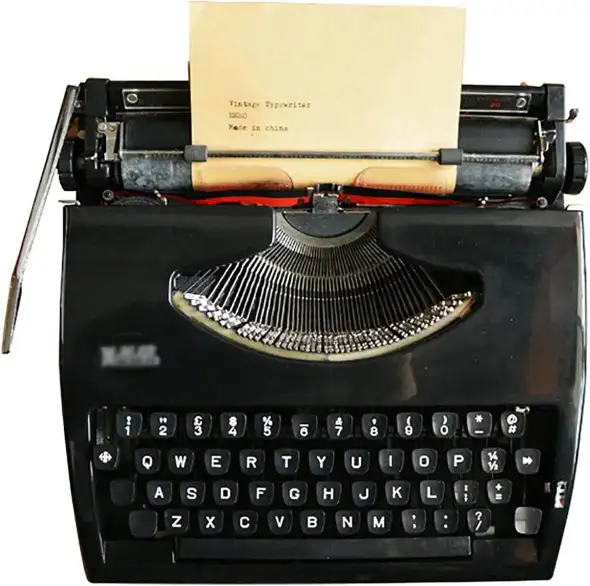
Type Writer
[1868-2000s] Patented by Christopher Latham Sholes in 1868, the typewriter mechanized writing and powered offices for over a century. Its clacking keys shaped journalism, business, and literature. It lost relevance in the computer age, but remains an enduring symbol of classic creativity and craftsmanship.
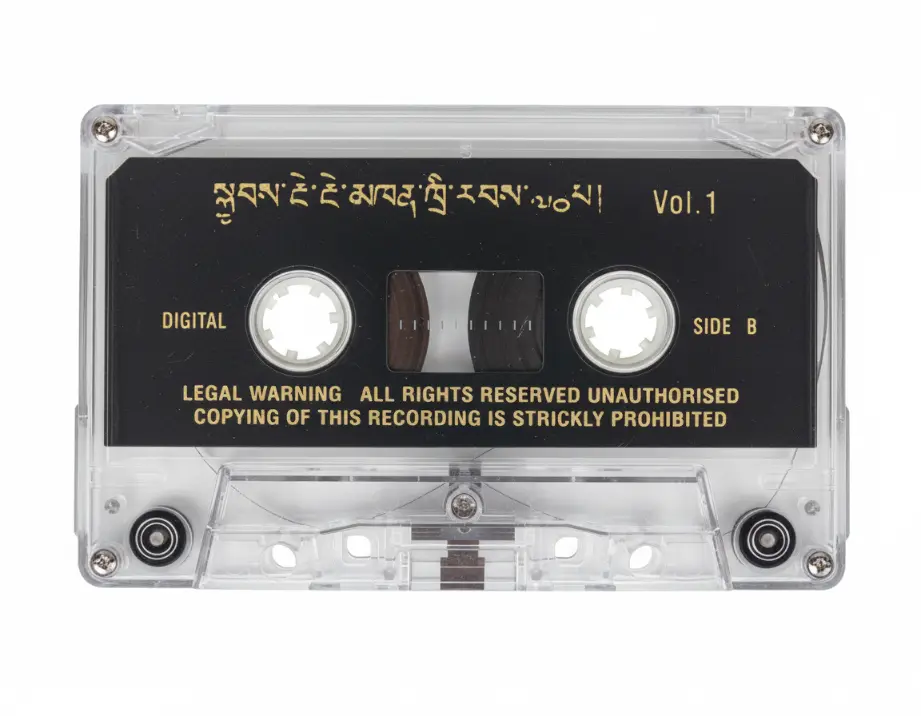
Cassette
[1963-2010s] Introduced by Philips in 1963, the compact audio cassette transformed personal music and mixtape culture. Portable and recordable, it defined the soundtrack of the ‘80s and ‘90s. It slowly faded in the 2000s as CDs, MP3s, and streaming services took over.
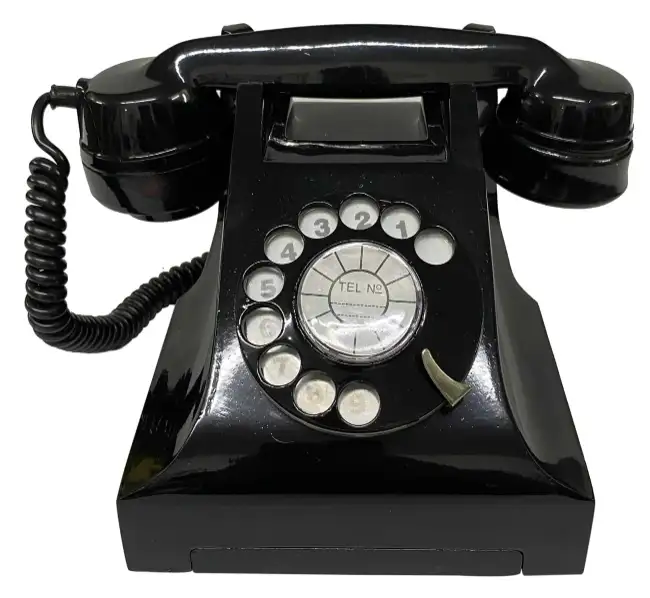
Rotary Telephone
[1890s-1990s] Rotary dial telephone invented by Almon Brown Strowger, around 1890s and popularized through the 20th century, the telephone became a household staple with its mechanical dial and analog charm. It defined voice communication for decades before touch-tone phones and mobile technology rendered it obsolete by the 1990s.
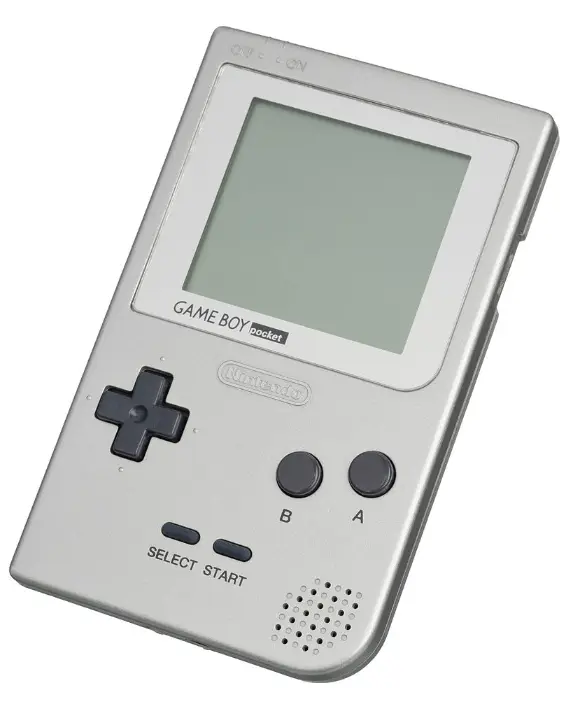
Game Boy
[1989-2003] Developed by Nintendo’s Gunpei Yokoi, the Game Boy defined portable gaming. Despite global success, it was discontinued in 2003, replaced by more advanced handheld consoles like the Nintendo DS.
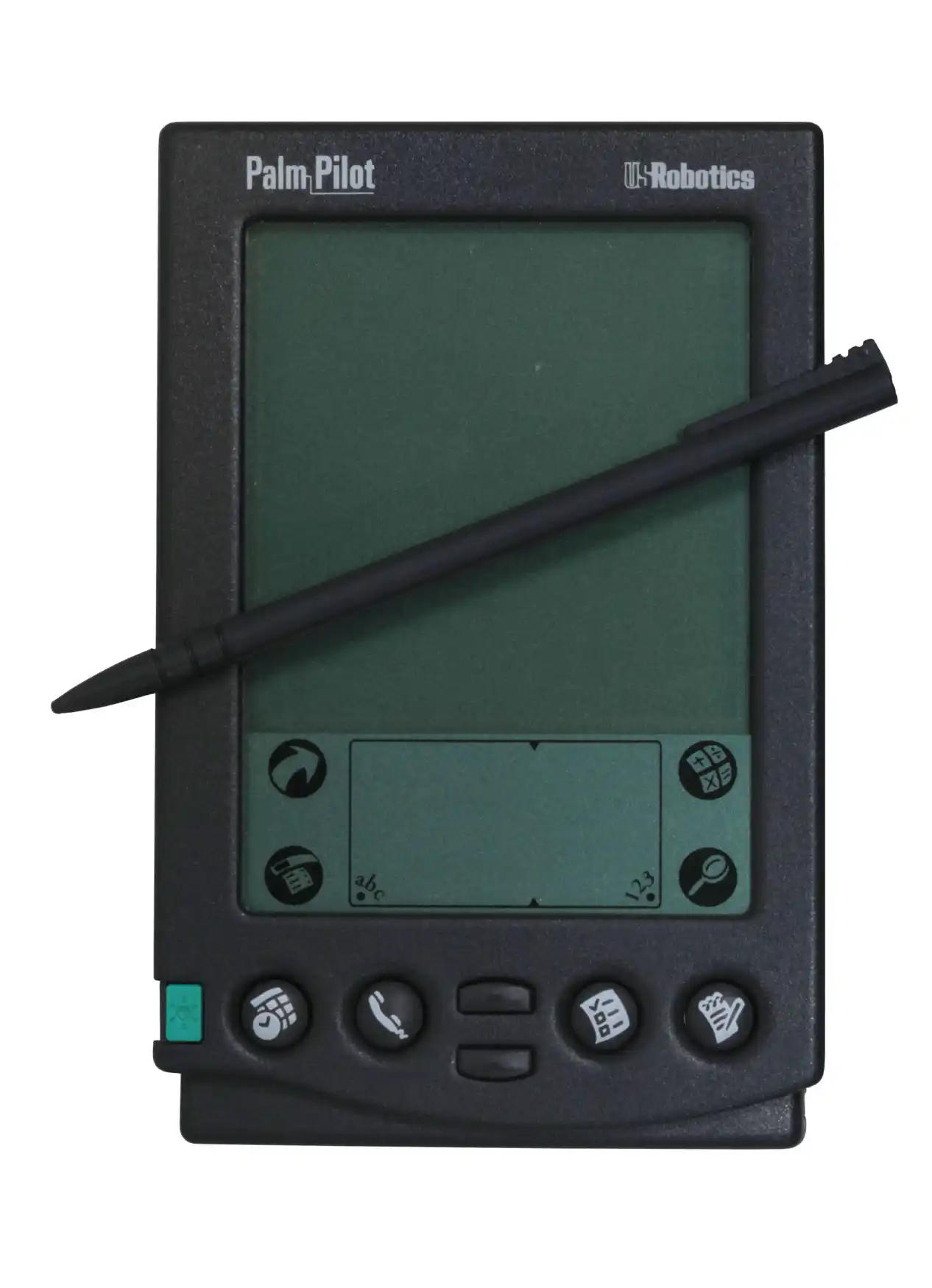
Palm Pilot
[1997-2011] Created by Jeff Hawkins, the PalmPilot was the first successful PDA (personal digital assistant). It introduced touchscreens and mobile productivity. It vanished by 2011 as smartphones made PDAs redundant.
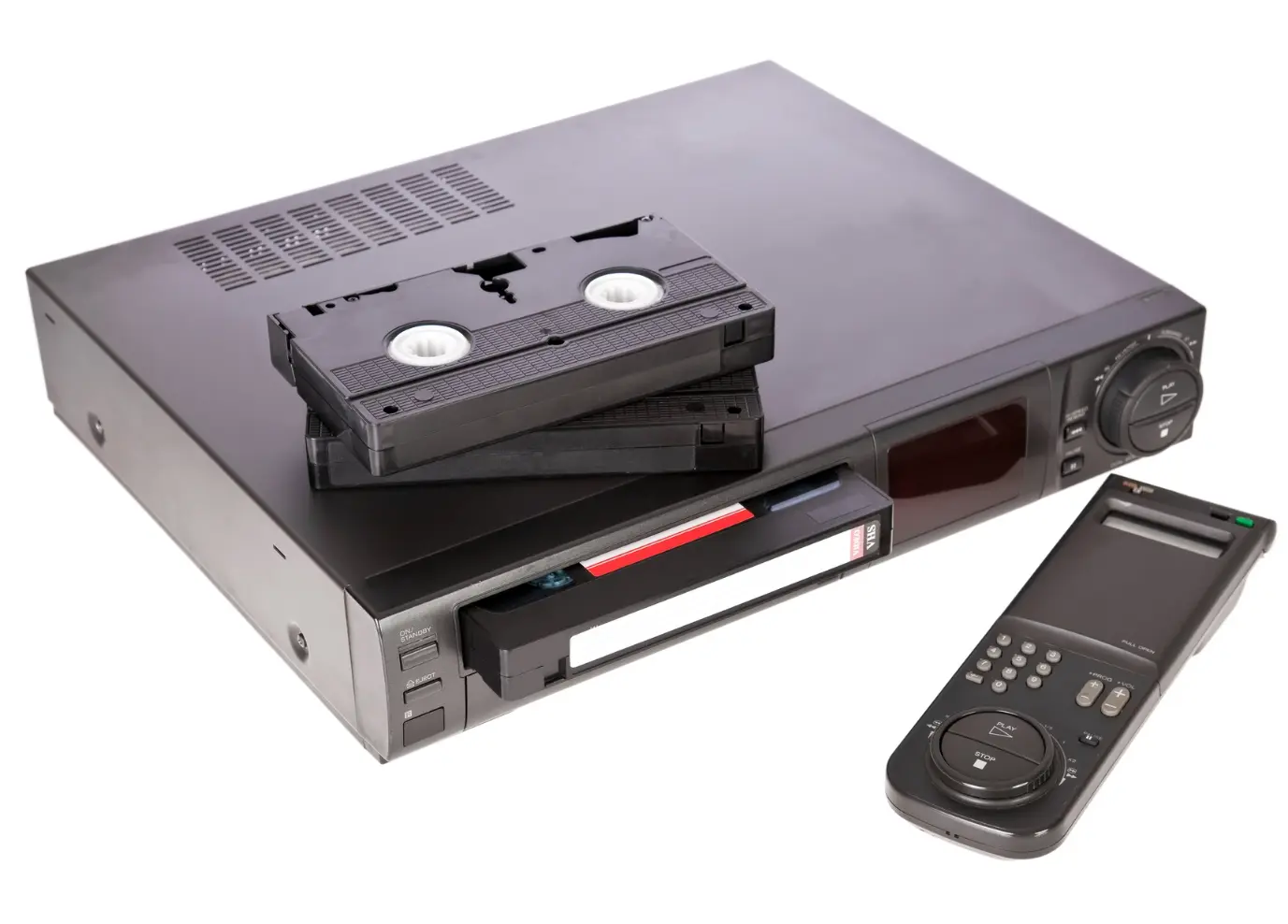
Video Home System
[1976-2016] Also called – Video Cassette Recorder (VCR) was developed by JVC (Japan Victor Company) in 1976, VHS brought home video recording to millions. It ruled the 1980s and ‘90s but lost to DVDs and digital streaming. The last VHS recorder was made in 2016.
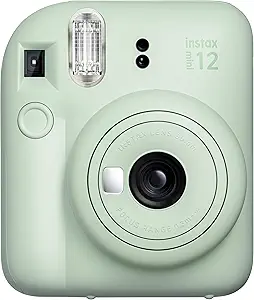
polaroid instant camera
[1948-2008] Invented by Edwin Land, Polaroid’s instant camera amazed users with photos that developed in seconds. Though iconic, it declined in the digital camera age. Production of instant film cameras stopped in 2008 before niche revivals appeared.
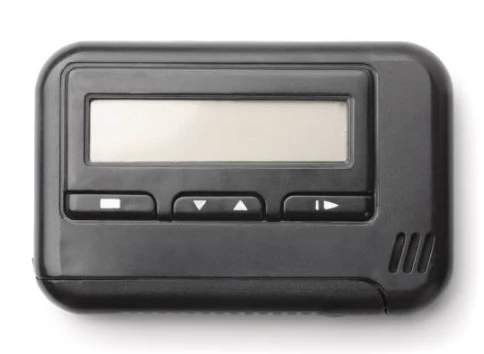
Pager/ Beeper
[1950–2010s] First introduced by Al Gross in the 1950s, pagers were vital for hospitals, businesses, and emergency services. They declined with the rise of mobile phones and instant messaging, becoming obsolete by the early 2010s.
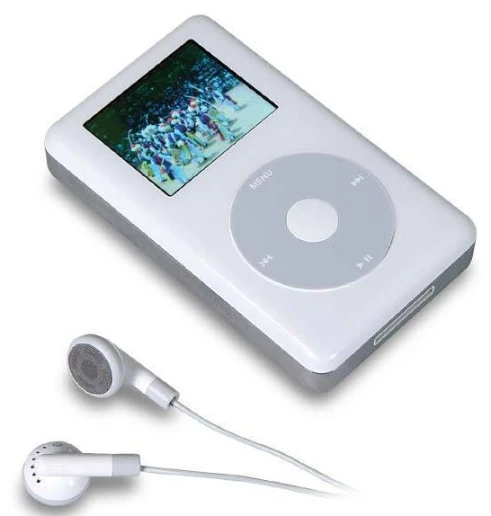
iPod
[2001-2014] Launched by Apple under Steve Jobs, the iPod Classic changed how we listened to music. Its iconic click wheel and massive storage made it legendary. It was discontinued in 2014, as iPhones and streaming services made standalone music players obsolete.
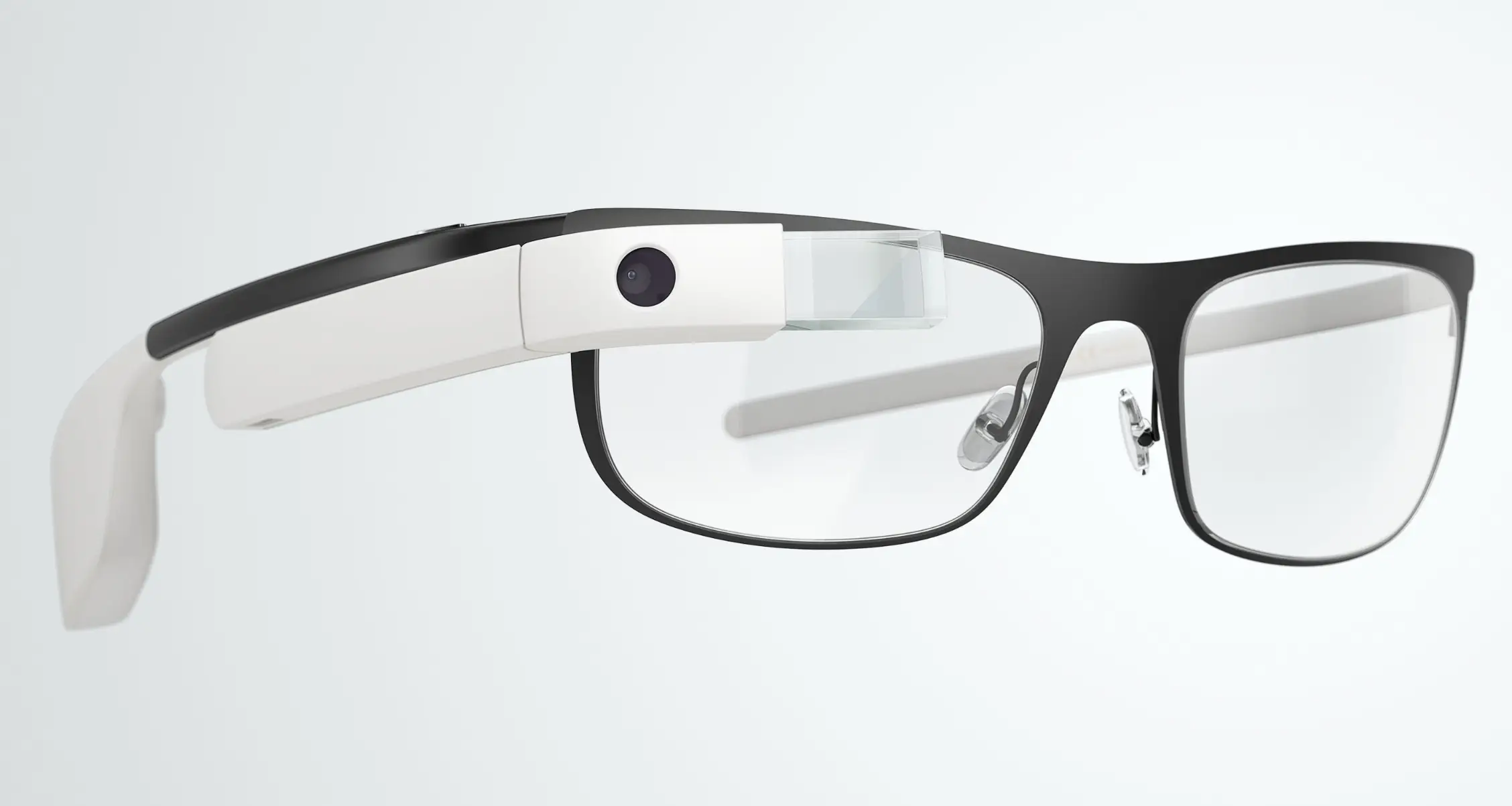
Google Glass
[2013-2023] Developed by Google X, Google Glass was launched in 2013 as a futuristic AR headset. Privacy concerns, poor battery life, and limited use cases led to public backlash. Google ended support in 2023, marking its quiet death.
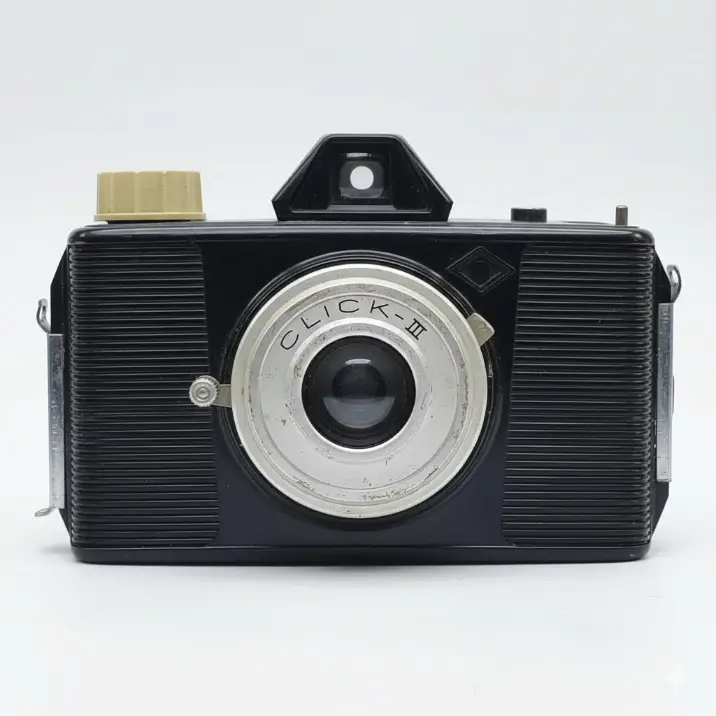
Camera – Monochrome film
[1800s–1970s] Black-and-white cameras, first popularized in the late 1800s, defined early photography with monochrome images. Dominant for decades, they gradually declined with the rise of color film and modern digital cameras, fading from mainstream use by the 1960s.
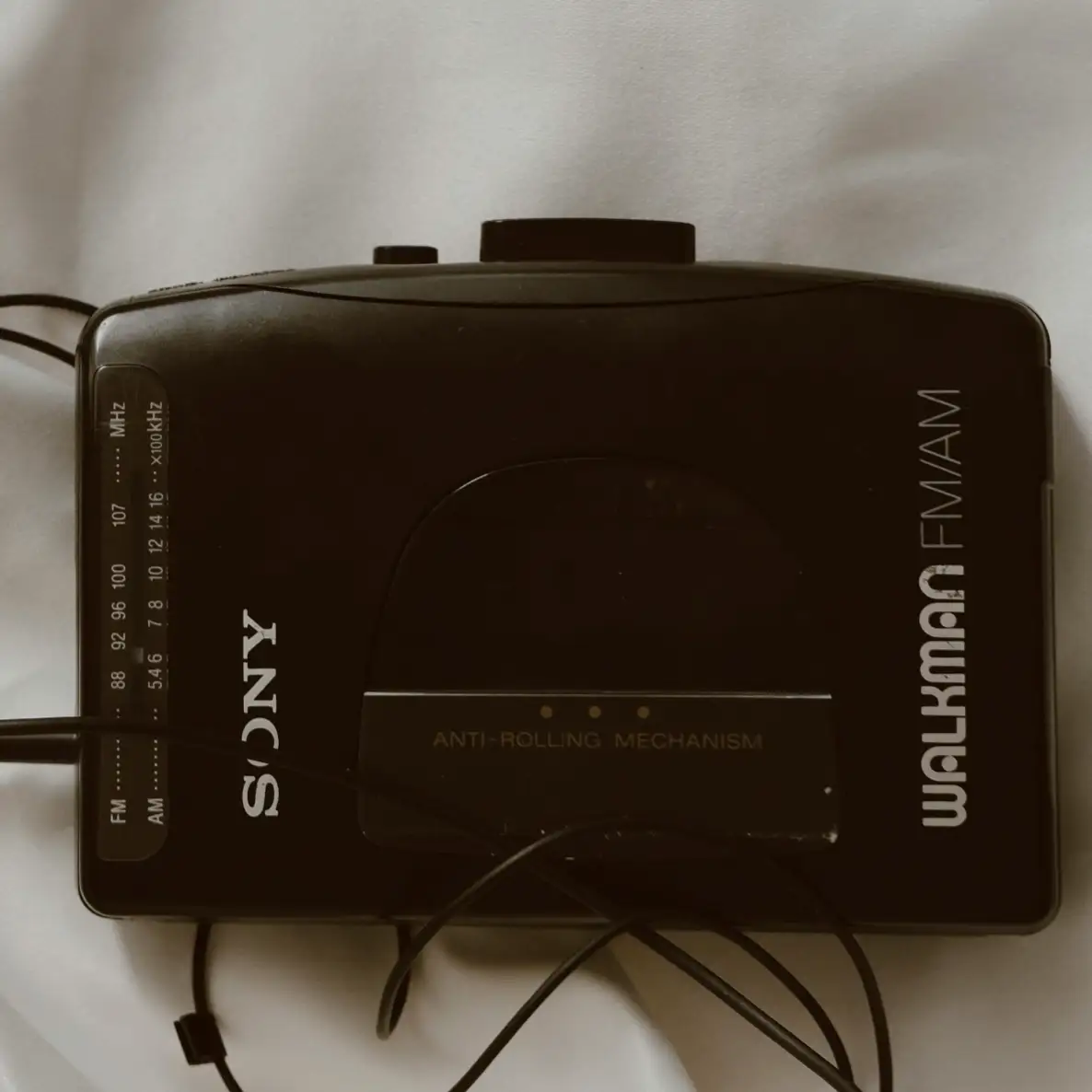
Walkman
[1979-2010] Launched by Sony in 1979, the Walkman revolutionized portable music with cassette players you could carry anywhere. Dominant for decades, it declined with the rise of CDs, MP3 players, and smartphones, fading into history by the 2010s.
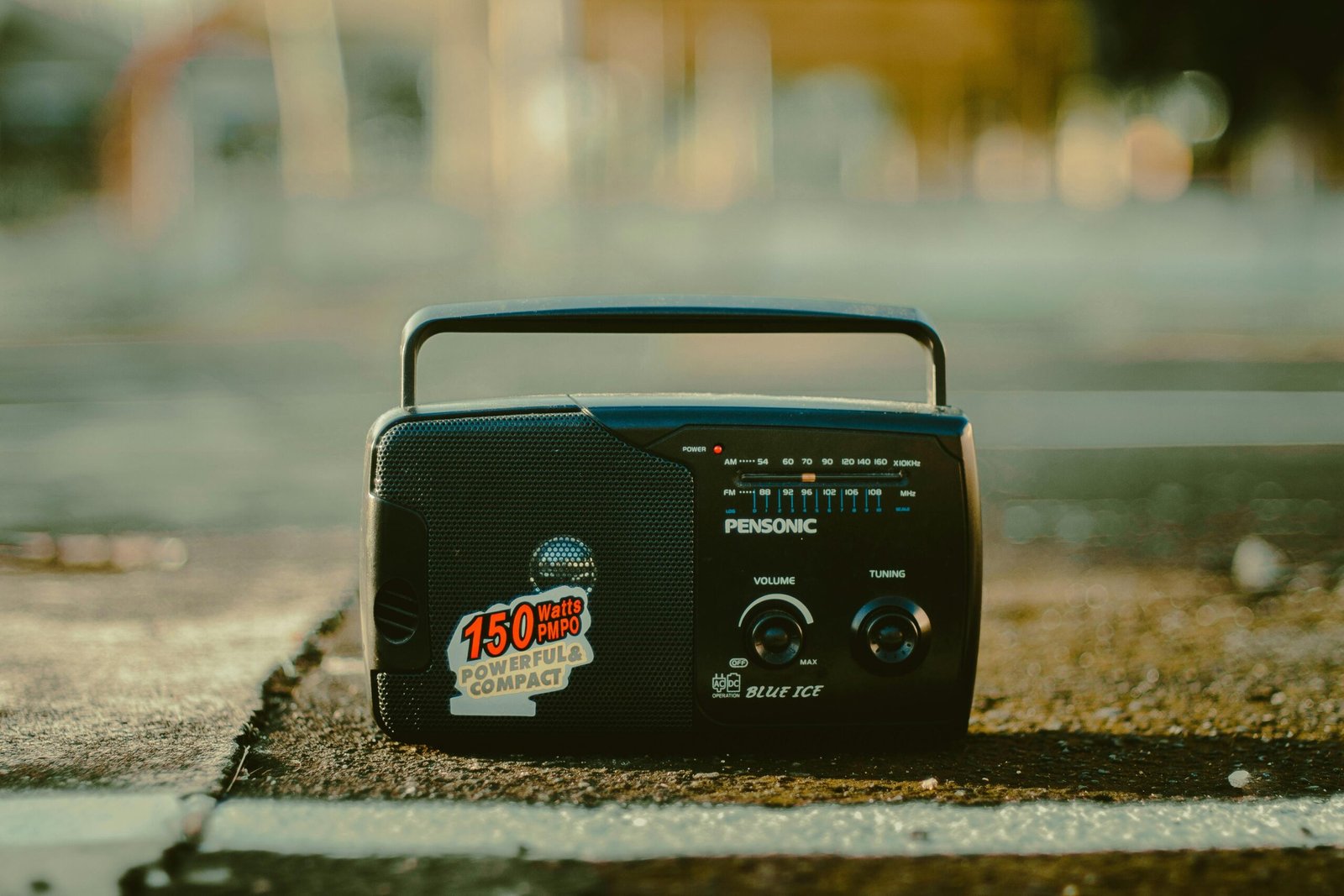
Radio
(1895-2000) The first wireless transmission of human voice through Radio was done in 1895 by Reginald Fessenden. Broadcast radio emerged as an electronic mass medium in the early 20th century. Eventually with the rise of television golden age of Radio declines.
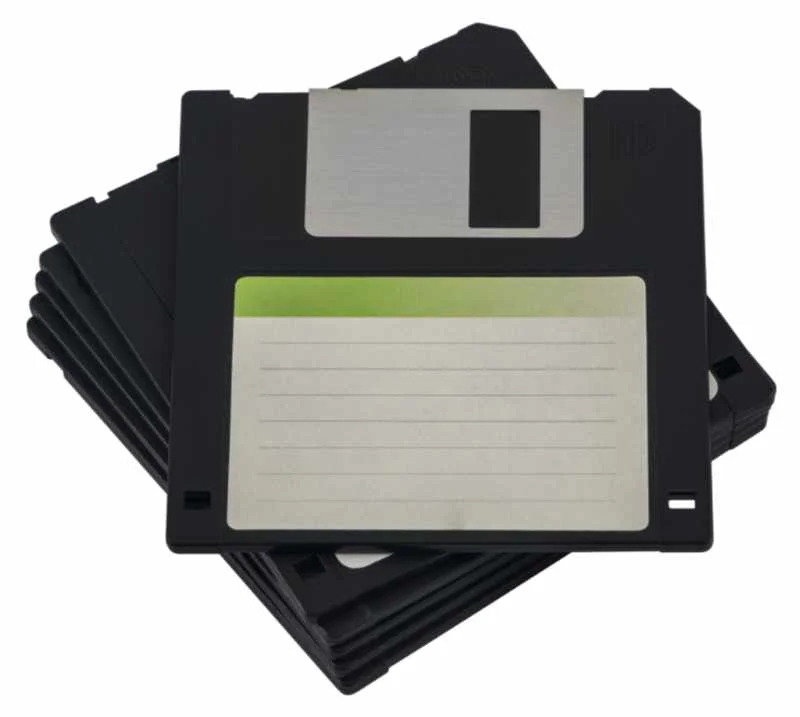
Floppy disk
(1971-2005) Started by IBM in 1971, it revolutionized data storage and software distribution reaching its peak in 90s. However the widespread use ended in the early 2000s as higher-capacity CD-ROMs, DVDs, and USB drives became standard. It became obsolete around 2005.

Compact Disc
[1982–2010] Introduced in 1982, the CD transformed music storage and playback with high-quality digital audio. Dominating the 1980s and 1990s, it gradually declined with the rise of MP3s, streaming services, and digital downloads, becoming largely obsolete by the 2010s.
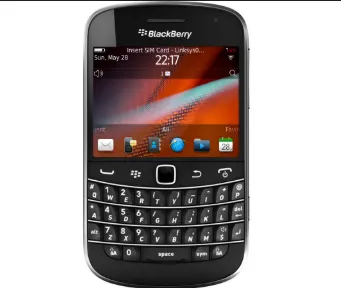
Blackberry Phone
[1999–2016, peak 2009–2012] Founded in 1999, BlackBerry became famous for secure email, BBM, and its physical keyboard phones. It was widely used by businesses and everyday users, but the rise of touchscreen smartphones like the iPhone and Android led to a rapid loss of users. By 2016, BlackBerry stopped making its own phones and shifted its focus to software and security services.
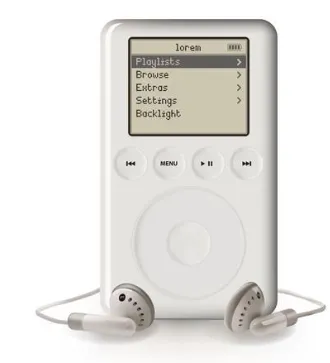
mp3 player
[Late 1990s–2010s, peak early 2000s] MP3 players became popular for letting people carry thousands of digital songs in their pocket. Devices like the iPod made them mainstream and changed how people listened to music. As smartphones combined music, apps, and internet in one device, standalone MP3 players slowly faded from everyday use.
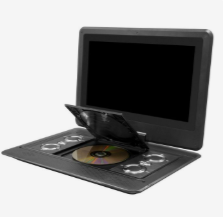
Portable DVD Player
[Early 2000s–2010s, peak mid-2000s] Portable DVD players became popular by letting people watch movies anywhere using discs and a built-in screen. They were common on trips and flights, but faded as smartphones, tablets, and streaming services made physical DVDs unnecessary.
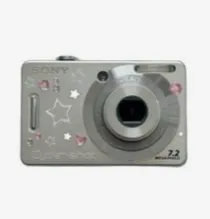
Digital Camera
[Late 1990s–2010s, peak early 2000s] Digital cameras became popular for letting people take photos without film and see them instantly. They were widely used for family photos and travel, but gradually faded as smartphones added high-quality cameras and easy sharing.
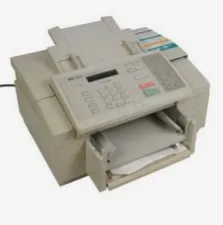
Fax Machine
[1980s–1990s, peak late 1980s] Fax machines were widely used in offices to send documents quickly over phone lines. They were essential for business communication but were eventually replaced by email and digital document sharing.
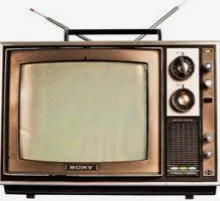
3D Tv
[2010s, peak early 2010s] 3D TVs promised an immersive movie and gaming experience at home. Despite initial excitement, they failed to gain widespread interest, and most manufacturers stopped making them within a few years.
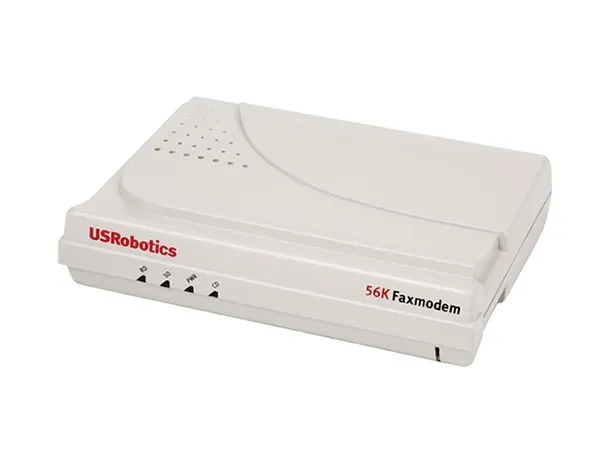
Dialup Modem
[1990–2005, peak 1995–2000]
Dial-up internet was common in the 1990s and gave people their first taste of going online at home. It used phone lines, was very slow, and blocked calls while connected. Even so, it helped people discover email, chat rooms, and early websites. As broadband and Wi-Fi became faster and cheaper, dial-up quickly disappeared and is now mostly remembered as the start of home internet.
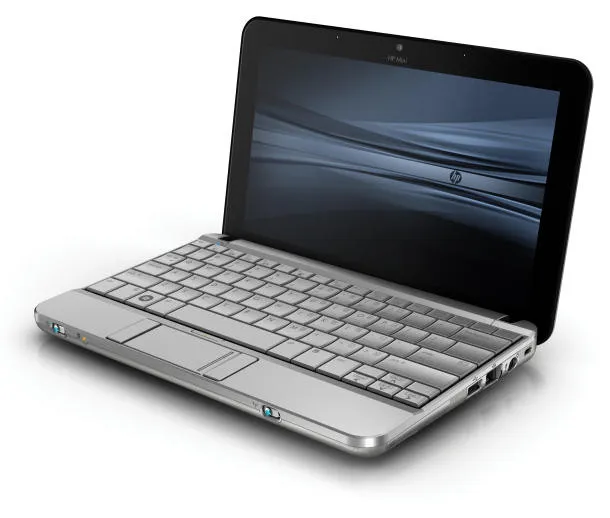
Netbooks
**[2007–2012, peak 2009–2010]**
Netbooks were small, low power laptops made for basic tasks like browsing the web, email, and school work. They were cheap, light, and had long battery life, which made them popular with students and casual users. Over time, tablets and full sized laptops became faster and more useful, causing netbooks to fade away and disappear from the market.
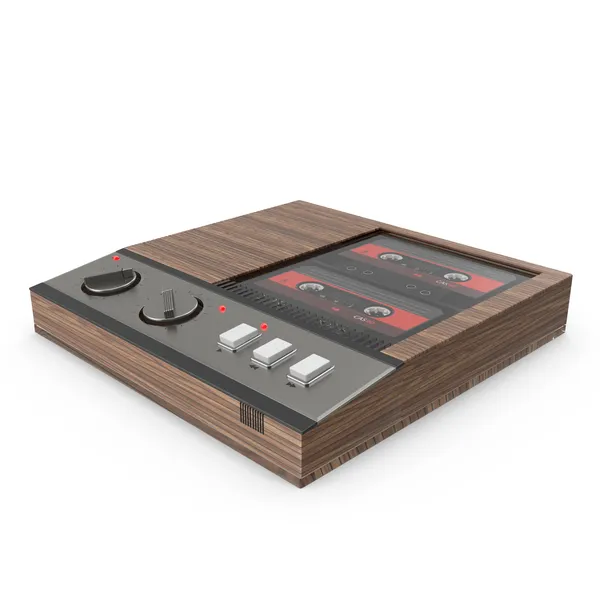
Answering Machine
1970s–2010s A home device that recorded missed calls on cassette or digital memory. It became obsolete as voicemail services were built into mobile phones.
Camcorder
1983–2010 Portable video cameras recording onto VHS-C, Hi8, or MiniDV tapes. They disappeared as digital memory and smartphones took over video recording.
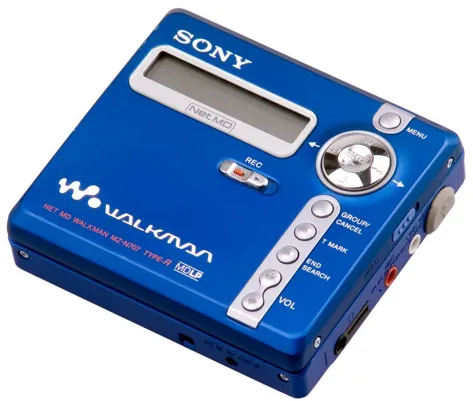
MiniDisc Player
1992–2013 A compact digital audio format by Sony offering better skip protection than CDs. It never fully caught on globally and faded with the rise of MP3 players.
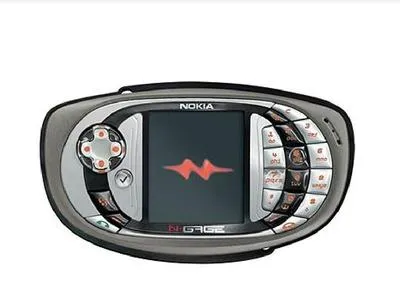
Nokia N-Gage
2003–2006 A gaming-phone hybrid designed to compete with handheld consoles. Poor design and competition led to its quick disappearance.
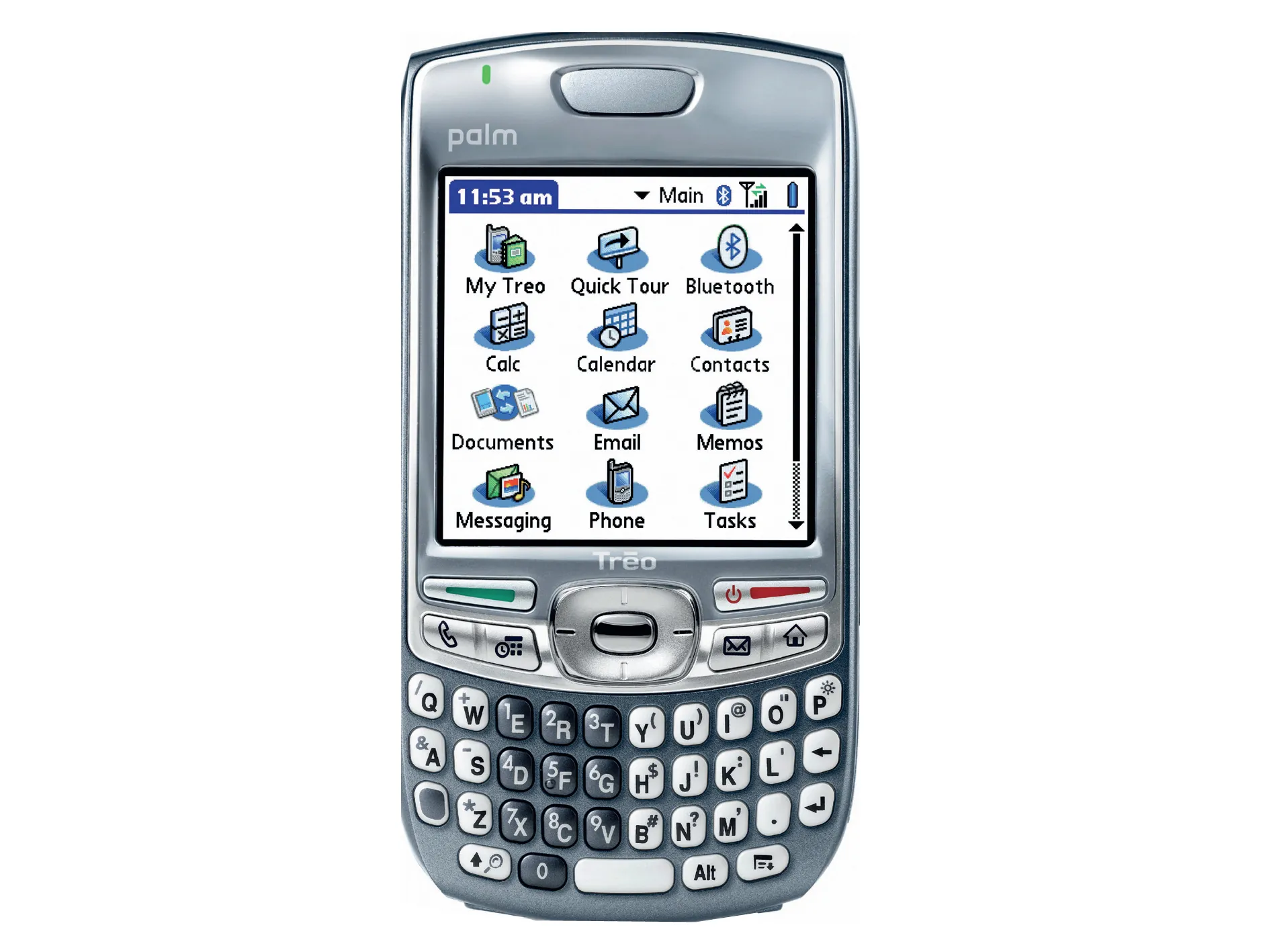
Palm Treo
2002–2010 One of the first smartphones combining PDA features with mobile calling. It declined after the iPhone reshaped the smartphone market.
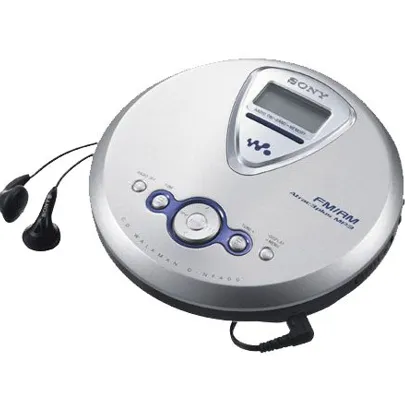
Portable CD Player (discman)
1984–2010 Sony’s Discman made music portable through CDs. It dominated the 1990s but vanished as MP3 players and smartphones replaced physical media.
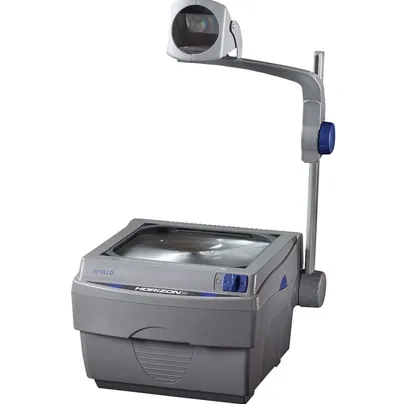
Overhead Projector
1960s–2010s A classroom device projecting transparencies onto a screen. It was replaced by digital projectors and smart boards.
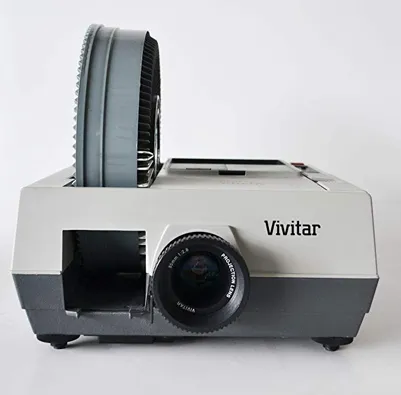
Slide Projector
1960s–2000s A device for displaying photographic slides. It faded as digital photo displays and PowerPoint presentations became standard.
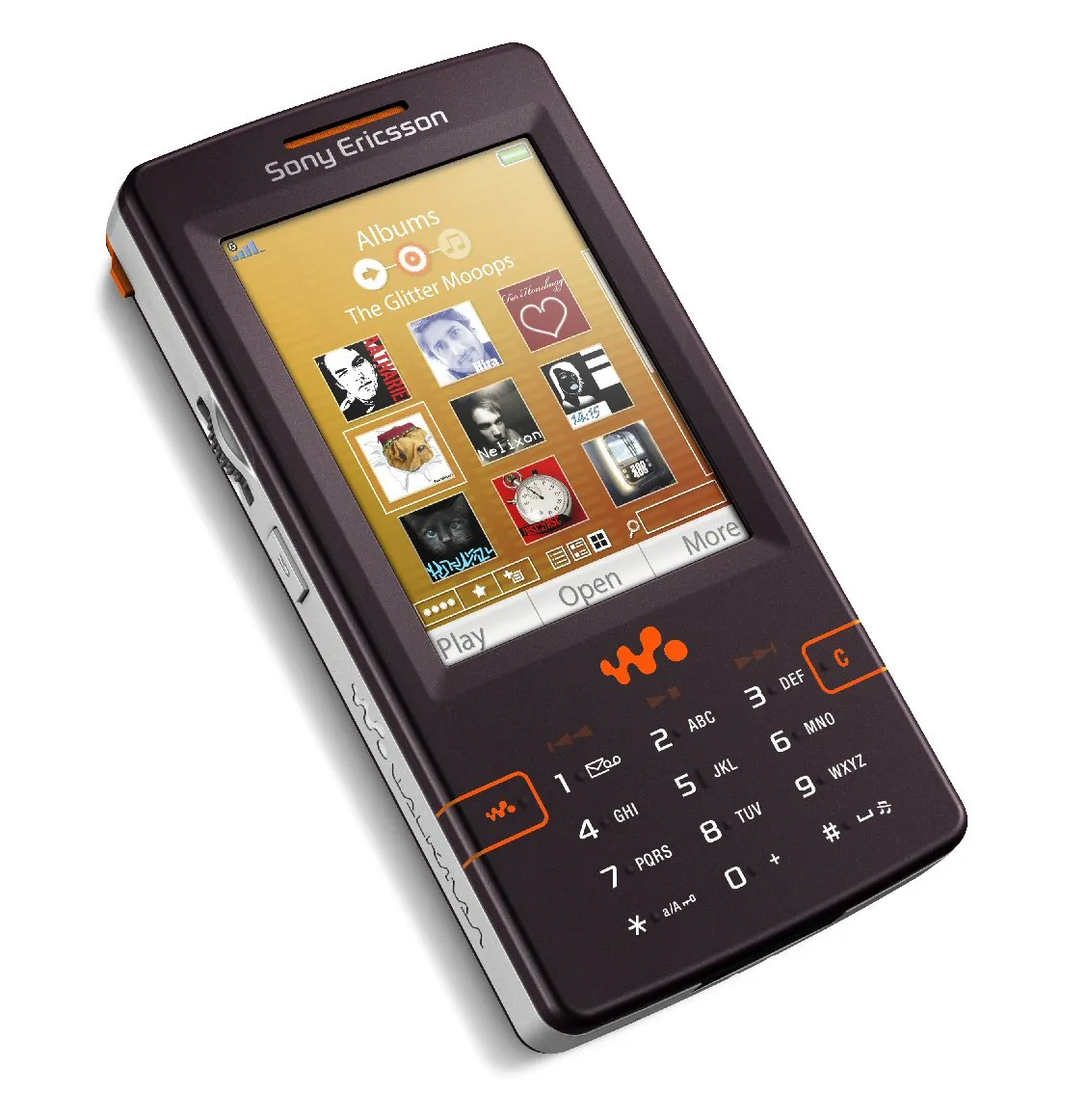
Sony Ericsson Walkman Phones
2005–2012 Music-focused mobile phones branded under the Walkman name. They lost relevance once smartphones replaced dedicated music phones.